Oral Cancer Rehabilitation in Jaipur
Surgery and other treatment for oral cancer can affect teeth, jaw structure, eating, speech and facial appearance. Rehabilitation aims to address the problems that remain, with a plan based on the original treatment, current tissue condition and the patient’s priorities.
Arrange assessment for dental and maxillofacial rehabilitation after oral cancer treatment in Jaipur. Discuss records, timing and suitable restoration options.
Mumbai roots since 1983. A new chapter in Jaipur.
Tell us how to reach you.
Reception will help coordinate your dental consultation.
By requesting contact, you ask us to respond to your enquiry.
Why Cancer Rehabilitation?
To Restore Teeth & Life After Treatment
After oral cancer treatment, patients may lose teeth, bone, or soft tissue, which can affect daily life. Proper rehabilitation helps restore normal mouth function and prevents long-term problems.
- Helps in chewing and speaking properly
- Restores facial shape and smile
- Improves confidence after cancer treatment
Who Needs Oral Cancer Rehabilitation?
You may need Oral Cancer Rehabilitation if you:
- Lost teeth due to oral cancer surgery
- Have difficulty eating or speaking
- Have jaw bone loss after treatment
- Need dentures or implants after cancer
- Have facial changes after surgery
- Want to restore normal life after cancer
Early Signs of Oral Cancer
Early detection is very important for successful treatment. You should visit a dentist if you notice:
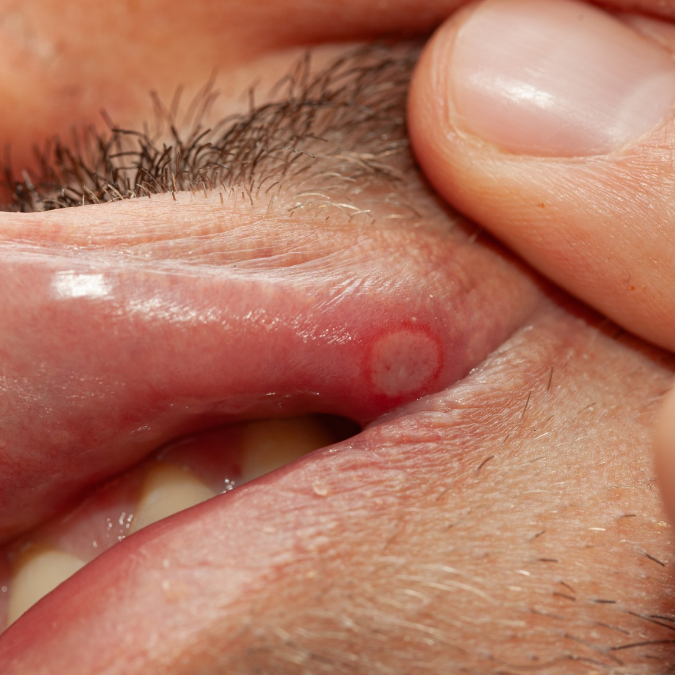
- Non-healing mouth ulcers
- White or red patches in mouth
- Difficulty in chewing or swallowing
- Lump inside mouth or jaw
- Loose teeth without reason
- Pain in tongue or throat
Regular dental checkups help detect oral cancer early.
Teeth After Oral Cancer in Jaipur
After cancer treatment, many patients lose teeth or bone support. We provide different options to restore teeth depending on healing condition.
- Special dentures after surgery
- Flexible dentures for comfort
- Jaw support prosthesis
- Fixed or removable teeth replacement
Support after oral cancer treatment
Surgery and other treatment for oral cancer can affect teeth, jaw structure, eating, speech and facial appearance. Rehabilitation aims to address the problems that remain, with a plan based on the original treatment, current tissue condition and the patient’s priorities.
Reviewing your cancer treatment records
Bring the operation summary, pathology report, radiotherapy details, medicine list and relevant imaging. Dr Chirag Chamria, Oral and Maxillofacial Surgeon and Chief Attending, reviews the clinical situation and coordinates the plan with the treating oncology team where needed.
Options depend on the remaining tissues
Rehabilitation may involve dental restorations, a removable prosthesis, an obturator or selected surgical and implant procedures. The appropriate approach depends on the defect, tissue health, available support and ability to maintain the restoration. Some cases need input from other specialists.
Radiotherapy changes treatment planning
Previous radiotherapy and cancer medicines can affect healing and the risks of dental procedures. Imaging alone does not remove these risks. The team needs the treatment history and specialist assessment before discussing extractions, implants or reconstruction.
Arrange an individual rehabilitation review
Contact reception to plan a Jaipur appointment and confirm the records required. Your consultation is intended to explain feasible options, limitations, likely stages and an estimate. Functional improvement varies and complete restoration cannot be promised before assessment.
Good questions. Clear answers.
Can I have implants after radiotherapy?
Some patients may be considered after specialist assessment, but radiation history can change the risks and options. A scan alone cannot confirm safety.
Is rehabilitation the same as cancer treatment?
No. Rehabilitation addresses function and restoration around or after cancer care. Cancer treatment and surveillance continue with the appropriate oncology team.
What is Oral Cancer Rehabilitation?
Oral Cancer Rehabilitation is a specialized maxillofacial reconstructive procedure that rebuilds jawbones, oral tissues, and teeth after cancer surgery or radiation.
Can teeth be replaced after oral cancer surgery?
Yes, using advanced zygomatic implants, custom maxillofacial obturators, and fixed prosthetics, chewing and speech function can be restored effectively.
Is dental rehabilitation safe after cancer treatment?
Yes, treatment is meticulously planned in coordination with your oncology team after assessing tissue healing and bone vitality.
How long after cancer surgery can dental rehabilitation be started?
Preliminary evaluation begins within weeks, while permanent implant restorations are placed once soft tissue and bone healing have stabilized.
Same-day Dental Treatment
Dental implant, smile makeover and full mouth care; planned for you.
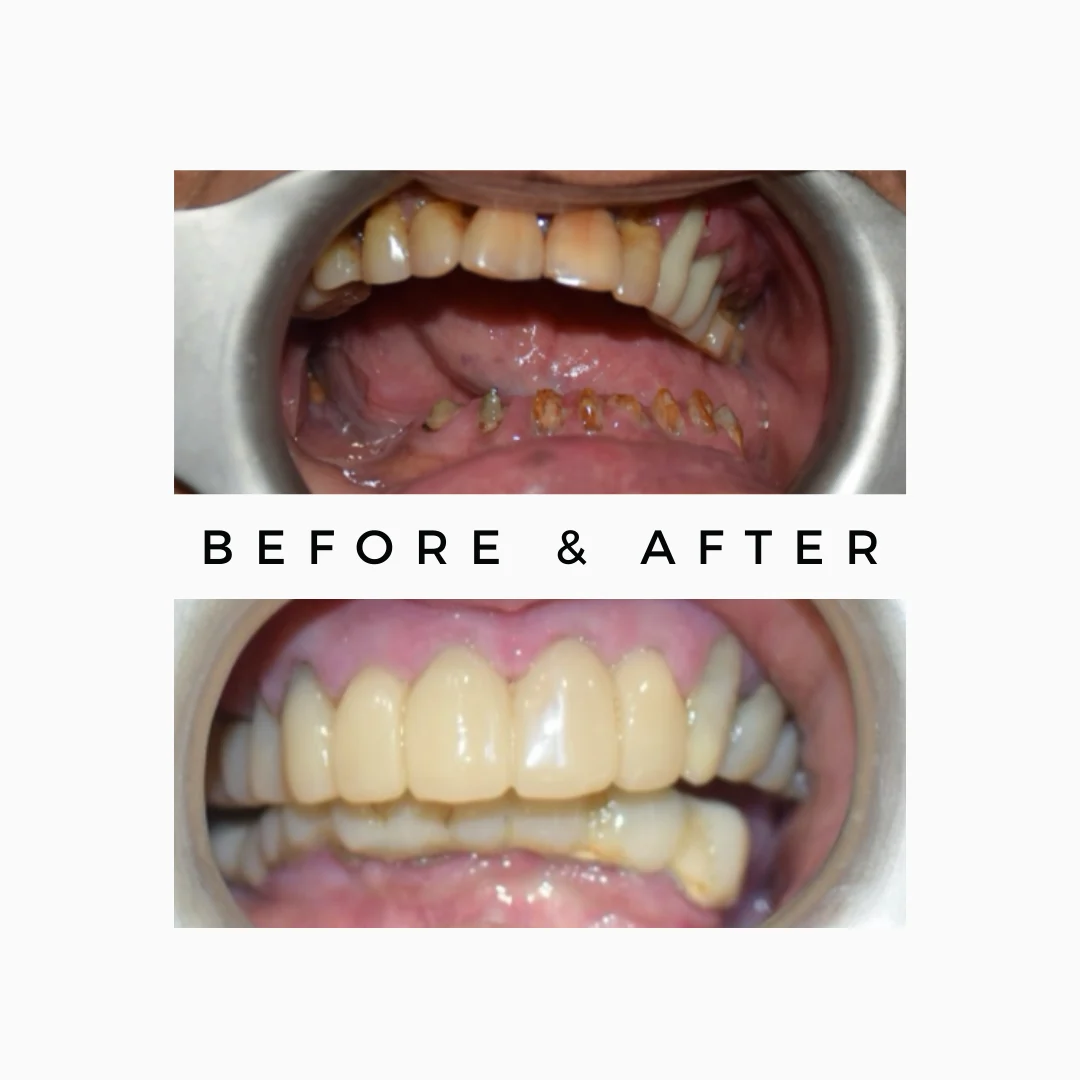
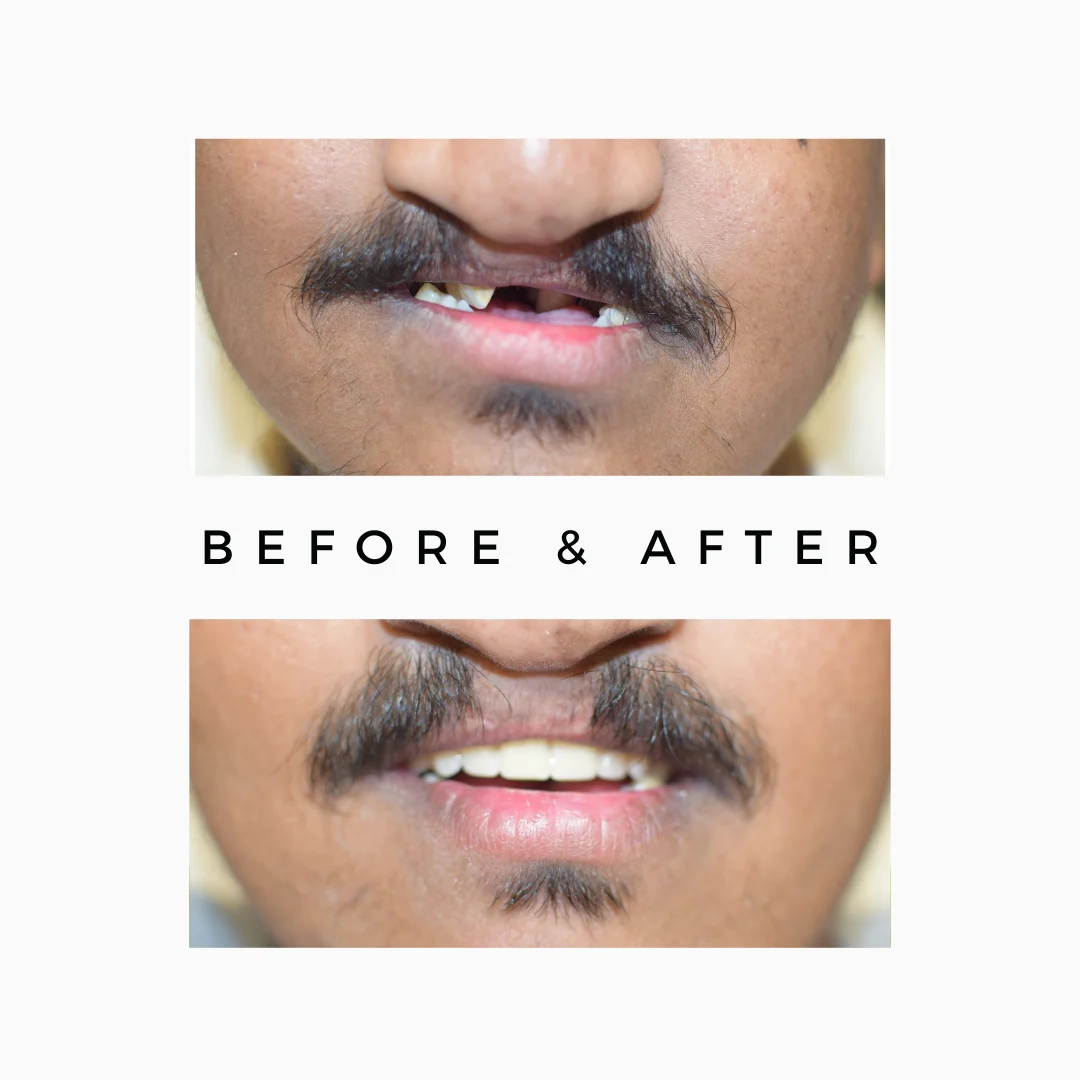
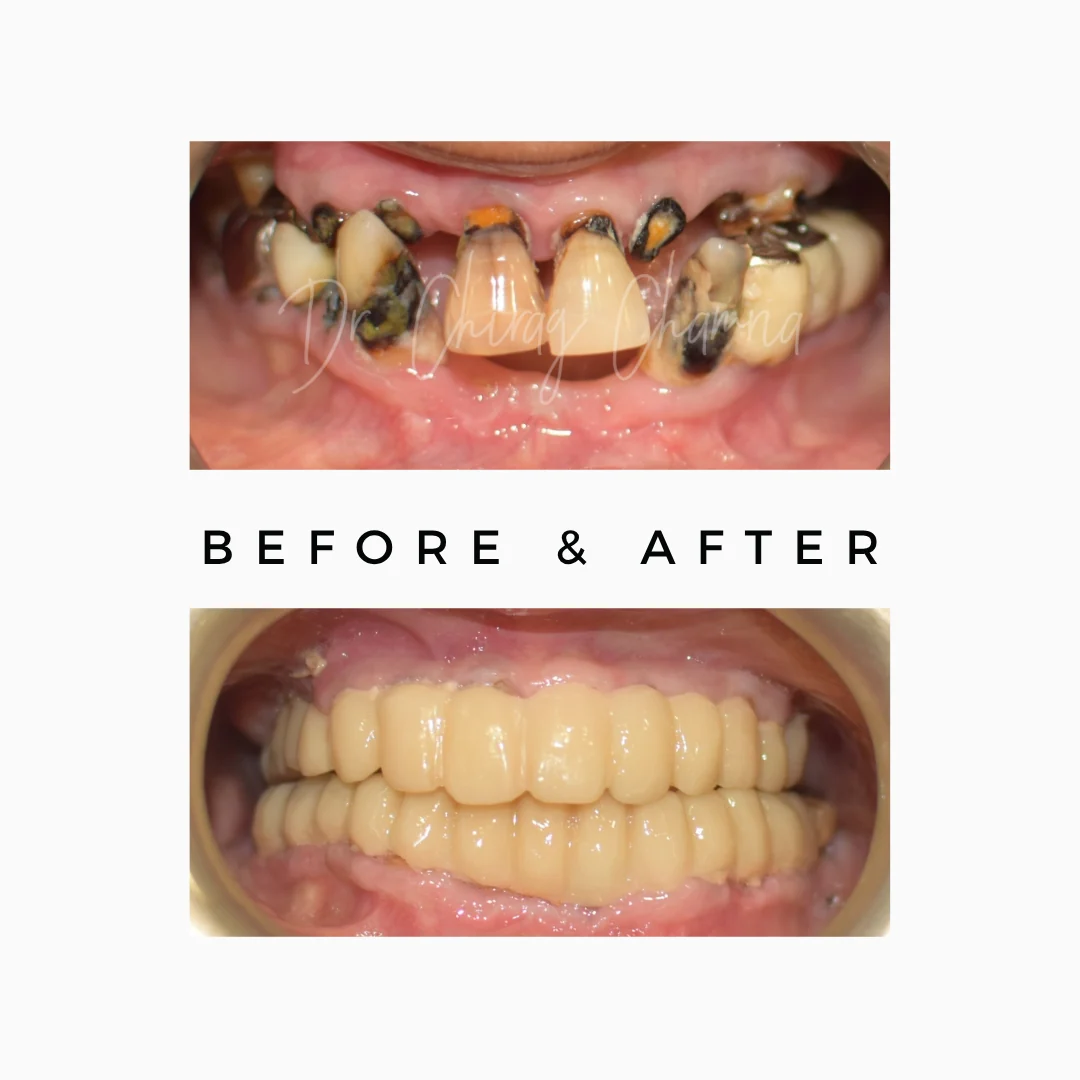
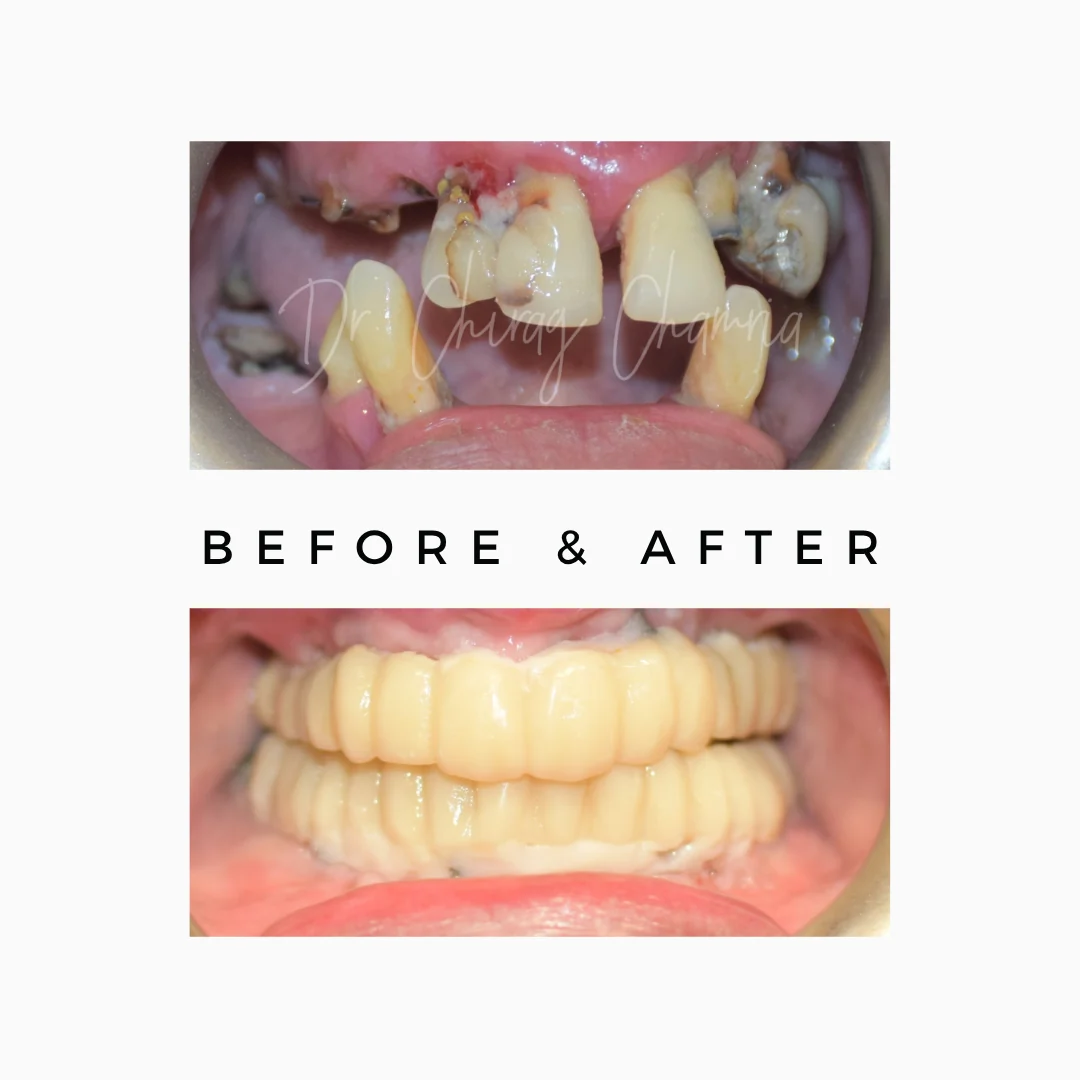
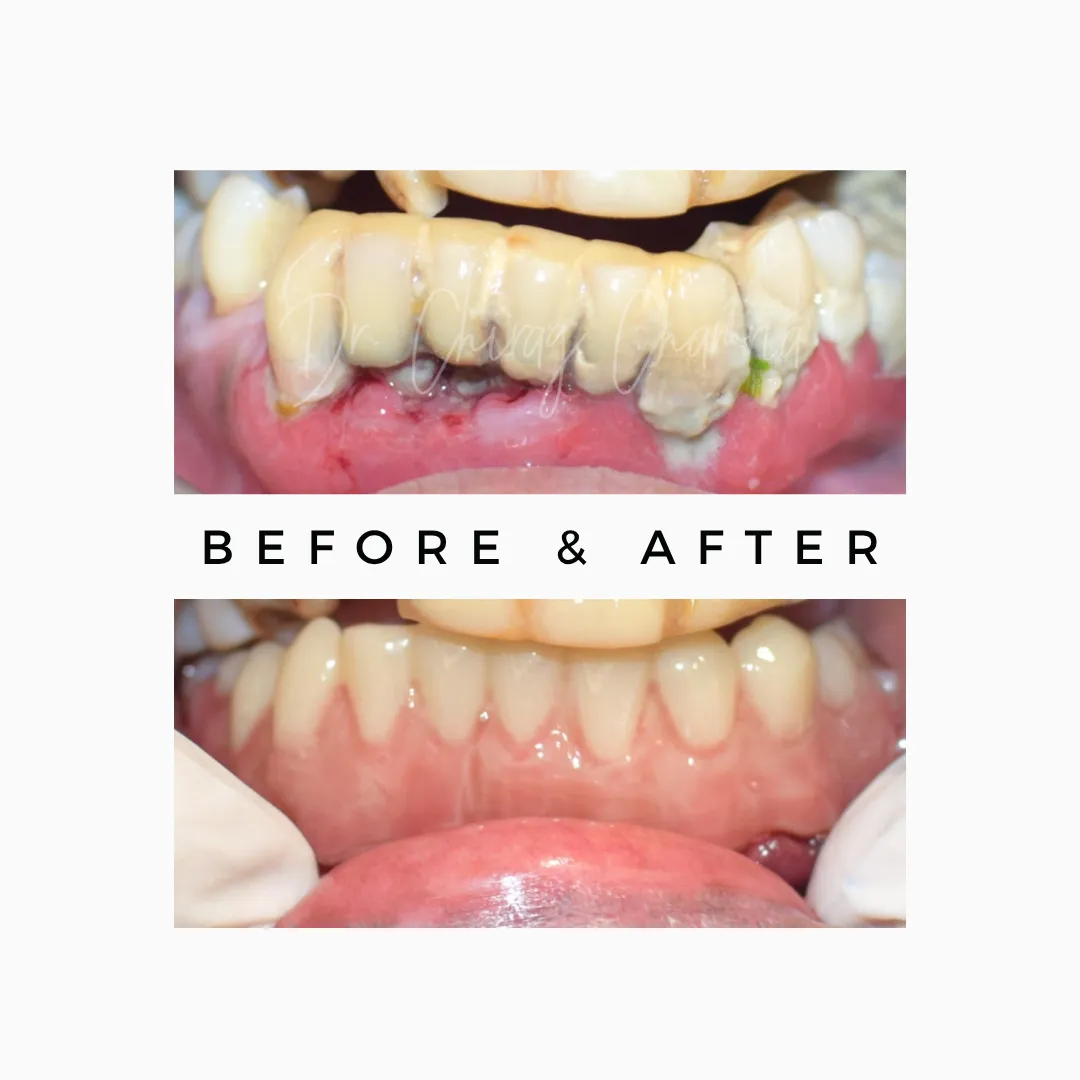
Maxillofacial Rehabilitation at Royal Dental
Dr. Chirag Chamria, Oral & Maxillofacial Surgeon, assesses dental and jaw rehabilitation needs following oral cancer treatment. Each plan considers the patient’s surgical history, radiotherapy exposure, remaining tissues and functional requirements, with multidisciplinary coordination where appropriate.
What our patients say about us.
Let us understand
what you need.
Monday–Saturday · 9:00 AM–6:00 pm
Know More About Oral Cancer Rehabilitation in Jaipur
How can oral rehabilitation help after cancer treatment?
Surgery and other treatment for oral cancer can affect teeth, jaw structure, eating, speech and facial appearance. Rehabilitation aims to address the problems that remain, with a plan based on the original treatment, current tissue condition and the patient’s priorities.
Which cancer treatment records should I bring?
Bring the operation summary, pathology report, radiotherapy details, medicine list and relevant imaging. Dr Chirag Chamria, Oral and Maxillofacial Surgeon and Chief Attending, reviews the clinical situation and coordinates the plan with the treating oncology team where needed.
What determines the rehabilitation options available?
Rehabilitation may involve dental restorations, a removable prosthesis, an obturator or selected surgical and implant procedures. The appropriate approach depends on the defect, tissue health, available support and ability to maintain the restoration. Some cases need input from other specialists.
How does previous radiotherapy affect planning?
Previous radiotherapy and cancer medicines can affect healing and the risks of dental procedures. Imaging alone does not remove these risks. The team needs the treatment history and specialist assessment before discussing extractions, implants or reconstruction.
How do I arrange an individual rehabilitation assessment?
Contact reception to plan a Jaipur appointment and confirm the records required. Your consultation is intended to explain feasible options, limitations, likely stages and an estimate. Functional improvement varies and complete restoration cannot be promised before assessment.
What goals can I discuss for my rehabilitation?
Describe the daily task you most want to improve, whether that is retaining an appliance, chewing particular foods or speaking more clearly. The team can discuss which goals a dental restoration might support and where other clinical input may be needed. The plan should reflect the remaining tissues and your ability to manage the prosthesis at home.
How is dental rehabilitation coordinated with cancer follow up?
Tell the rehabilitation team about upcoming oncology visits or further treatment. Ask how the proposed dental work will be coordinated with these appointments and whether records or advice from the treating hospital are required. A rehabilitation review should complement ongoing cancer care, with clear arrangements for surveillance and any new symptoms.
Can I have implants after radiotherapy?
Some patients may be considered after specialist assessment, but radiation history can change the risks and options. A scan alone cannot confirm safety.
Is rehabilitation the same as cancer treatment?
No. Rehabilitation addresses function and restoration around or after cancer care. Cancer treatment and surveillance continue with the appropriate oncology team.
Can rehabilitation help with an existing appliance that no longer fits?
Bring the appliance and describe any change in comfort, speech or eating. The team considers tissue changes and the wider treatment history before discussing adjustments or replacement. Continuing cancer surveillance remains important, and new symptoms should also be raised with the treating team.
Why Post-Cancer Oral Rehabilitation Is Essential
Timely oral cancer rehabilitation plays a vital role in physical recovery, nutrition, and emotional well-being after oncological treatment:
- Restores Swallowing & Nutrition – Seals surgical palate defects so food and liquids do not enter the nasal cavity
- Rebuilds Clear Speech – Replaces missing palatal and dental structures required for clear articulation
- Supports Facial Symmetry – Provides structural support to cheeks and lips after jaw resection
- Protects Irradiated Bone – Uses atraumatic, oncology-safe prosthetic designs to prevent osteoradionecrosis
- Enables Confident Chewing – Fixed implant-supported or obturator prostheses allow patients to enjoy balanced meals
Comprehensive maxillofacial rehabilitation helps oral cancer survivors return to social and family life with dignity and comfort.
Post-Oncology Recovery, Comfort & Long-Term Care
Post-cancer oral tissues require gentle, specialized long-term care—especially after radiation therapy, which can cause dry mouth (xerostomia) and jaw stiffness (trismus).
Essential post-rehabilitation care protocols include:
- Jaw Opening Exercises – Perform daily physiotherapy stretches to prevent trismus and maintain mouth opening
- Dry Mouth Management – Use prescribed salivary substitutes, fluoride gels, and frequent hydration to protect mucosal tissues
- Meticulous Prosthesis Hygiene – Clean obturators and implant bridges gently after every meal using non-abrasive antimicrobial rinses
- Strict Tobacco & Alcohol Cessation – Essential for graft healing and preventing recurrence
- Scheduled Oncology & Prosthetic Reviews – Periodic relining and clinical monitoring keep your prosthesis comfortable as tissues mature
With dedicated follow-up at Royal Dental Clinic and Hospital Jaipur, oral cancer survivors achieve stable oral function, comfort, and long-term peace of mind.