
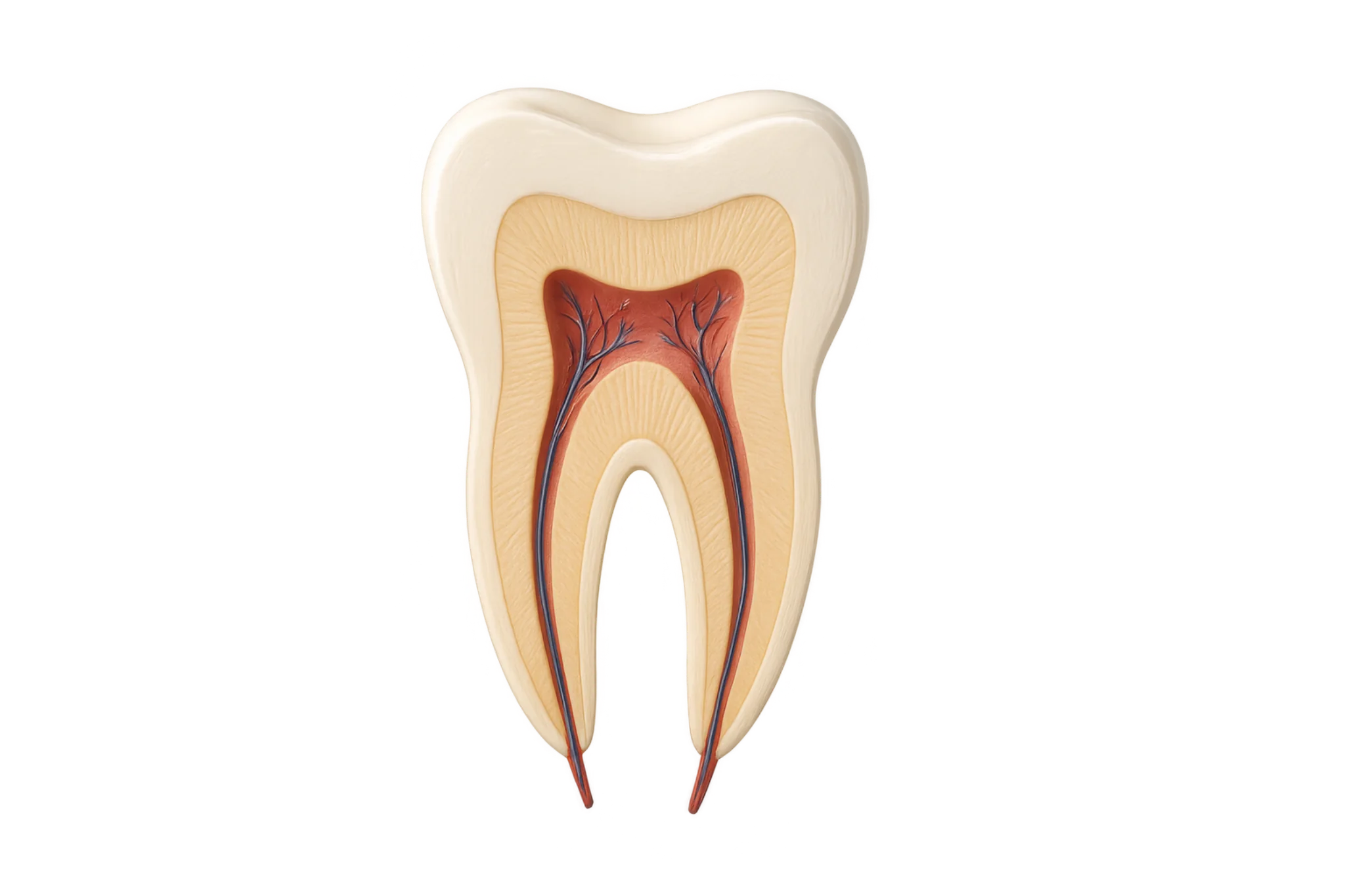
Tooth pain can affect everyday activities such as eating, speaking, and sleeping. When tooth decay or bacterial infection reaches the inner pulp of a tooth, it may cause severe discomfort, sensitivity, swelling, and infection. In such situations, root canal treatment is a dental procedure that helps remove the infected pulp, clean the inside of the tooth, and preserve the natural tooth structure. Instead of removing the affected tooth, this treatment allows dentists to restore its function and appearance. Understanding the procedure, treatment stages, and restoration process can help patients feel more confident before visiting a dental professional.
If you are experiencing persistent toothache or looking for Root Canal Treatment in Jaipur, knowing what happens during the treatment can help you make an informed decision. At Royal Dental Clinic and Hospital, patients can seek professional dental evaluation and guidance for tooth infections and restorative dental care. Root canal treatment involves several carefully planned steps, including diagnosis, local anaesthesia, infected pulp removal, cleaning, shaping, filling, and final restoration. With appropriate treatment and regular dental care, the procedure can help preserve a natural tooth and support long-term oral health.
What Is Root Canal Treatment?
Root canal treatment, also known as endodontic treatment, is a dental procedure used to treat infection or inflammation inside a tooth. The innermost part of a tooth contains soft tissue called dental pulp, which includes nerves and blood vessels. Deep cavities, repeated dental procedures, cracks, or dental injuries can allow bacteria to reach this area and cause infection. When the pulp becomes severely damaged or infected, root canal treatment may be recommended to save the affected tooth.
During the procedure, the dentist removes the infected or damaged pulp, cleans and disinfects the root canals, and seals the internal space with a suitable filling material. The tooth is then restored with a dental filling or crown, depending on how much natural tooth structure remains. The main purpose of this treatment is to eliminate infection, relieve symptoms, and maintain the natural tooth rather than extracting it.
When Do You Need Root Canal Treatment?
Not every toothache requires a root canal, but certain symptoms may indicate that the dental pulp is damaged or infected. Persistent pain, sensitivity to hot and cold temperatures, discomfort while chewing, swollen gums, and a small pimple-like swelling near the affected tooth are some common warning signs. In some cases, the infection may develop without noticeable pain, making routine dental examinations important.
A dentist evaluates the symptoms, examines the affected tooth, and may recommend dental X-rays to understand the extent of infection. If the pulp is irreversibly inflamed or infected, Root Canal Treatment in Jaipur may be recommended to preserve the tooth. Early diagnosis can help prevent the infection from spreading to surrounding tissues and reduce the risk of more complicated dental problems.
Root Canal Treatment Steps: Understanding the Complete Procedure
A root canal procedure is performed through a series of steps designed to remove infection while preserving the natural tooth. The exact treatment process depends on the tooth’s location, the number of root canals, and the severity of the infection. Modern dental instruments and imaging techniques help dentists perform the procedure with greater accuracy and plan the restoration according to the patient’s dental condition.
Dental Examination and Diagnosis
The first step involves examining the affected tooth and identifying the source of the problem. The dentist checks for cavities, cracks, swelling, tenderness, and other signs of infection. Dental X-rays may be taken to examine the root structure, identify the extent of damage, and understand the shape of the root canals. This assessment helps determine whether root canal treatment is necessary and whether additional procedures may be required.
Local Anaesthesia and Tooth Preparation
Once the treatment plan is finalised, local anaesthesia is administered to numb the affected area. This helps minimise discomfort during the procedure and allows the dentist to work comfortably. A dental isolation sheet called a rubber dam may be placed around the tooth to keep the treatment area clean and prevent saliva from entering the tooth. Proper isolation is important for maintaining a controlled environment during root canal treatment.
Removing the Infected Dental Pulp
After preparing the tooth, the dentist creates a small opening in its crown to access the pulp chamber. The infected or damaged pulp tissue is carefully removed using specialised dental instruments. The dentist identifies the root canals and removes the affected tissue from inside them. This step helps eliminate the primary source of infection and prepares the tooth for cleaning and disinfection.
Cleaning and Shaping the Root Canals
Once the infected pulp is removed, the dentist cleans and shapes the root canals using specialised instruments and disinfecting solutions. This process removes remaining tissue, bacteria, and debris from the internal spaces. The canals are shaped to prepare them for proper filling and sealing. Thorough cleaning is essential because any remaining infection can affect the success of the treatment.
Filling and Sealing the Root Canals
After cleaning and disinfecting, the root canals are dried and filled with a biocompatible material, commonly known as gutta-percha. A dental sealer is generally used along with this material to help close the canal space. The purpose of this step is to prevent bacteria from re-entering the treated root canals. The opening in the tooth is then sealed with a temporary or permanent dental restoration, depending on the treatment plan.
Final Tooth Restoration
The final stage involves restoring the treated tooth so that it can function properly during everyday activities. Depending on the amount of remaining natural tooth structure, the dentist may recommend a permanent filling or a dental crown. A crown is often recommended for back teeth because they experience greater chewing forces. Proper restoration protects the treated tooth from fracture and helps maintain its appearance and function.
Why Is Dental Crown Restoration Important After Root Canal Treatment?
After root canal treatment, a tooth may become more vulnerable to fracture, particularly when a large amount of its natural structure has been lost due to decay or previous dental procedures. A dental crown covers and protects the remaining tooth structure while restoring its shape, strength, and chewing function. It also helps create a proper bite and improves the appearance of the treated tooth.
Not every root canal-treated tooth automatically requires a crown. The decision depends on the tooth’s location, the extent of damage, and the amount of healthy tooth structure remaining. Back teeth, such as molars and premolars, often require additional protection because they handle considerable chewing pressure. Your dentist can recommend the most suitable restoration after evaluating the treated tooth.
Is Root Canal Treatment Painful?
Many patients worry about pain during a root canal procedure. However, modern root canal treatment is generally performed under local anaesthesia, which helps keep the procedure comfortable. The treatment is intended to remove the source of dental pain rather than create additional discomfort. Patients may experience mild soreness or tenderness for a few days after the procedure, especially if the surrounding tissues were inflamed before treatment.
The dentist may provide appropriate aftercare instructions and medication when necessary. Following these recommendations, avoiding excessive pressure on the treated tooth until final restoration, and maintaining good oral hygiene can support recovery. Patients experiencing severe or increasing pain, swelling, or persistent symptoms should contact their dentist for further evaluation.
Recovery and Aftercare Following Root Canal Treatment
Recovery after root canal treatment is generally manageable, although the healing period can vary depending on the severity of infection and the complexity of the procedure. Mild sensitivity or discomfort may occur temporarily after treatment. Patients should avoid chewing hard or sticky foods on the treated tooth until the permanent restoration is completed. Following the dentist’s instructions helps protect the tooth during this period.
Maintaining oral hygiene is equally important for long-term results. Brush twice daily using a soft-bristled toothbrush, clean between your teeth regularly, and attend scheduled dental appointments. Avoid using the treated tooth to bite hard objects such as ice or hard nuts. A properly placed final restoration, combined with routine dental care, can help maintain the treated tooth for many years.
Why Choose a Root Canal Specialist in Jaipur?
Root canal treatment requires a proper understanding of tooth anatomy, infection control, and restorative dentistry. Consulting a Root Canal Specialist in Jaipur can help patients receive an appropriate diagnosis and treatment plan based on their dental condition. A specialist may use magnification, digital imaging, and specialised endodontic instruments to assess and treat complex root canal cases.
At Royal Dental Clinic and Hospital, patients can discuss their dental concerns and explore suitable treatment options after a professional examination. Whether you have persistent tooth pain, deep tooth decay, or an infection affecting the dental pulp, timely evaluation can help determine the appropriate treatment. Choosing an experienced dental professional is important for accurate diagnosis, careful treatment, and appropriate restoration.
How to Choose the Best Dentist in Jaipur for Root Canal Treatment?
Selecting a dental professional involves more than comparing treatment costs. Patients should consider the dentist’s qualifications, clinical experience, diagnostic approach, infection-control practices, and ability to explain the treatment process. A good dental consultation should include an examination of the affected tooth, an explanation of available treatment options, and clear guidance about restoration and aftercare.
If you are searching for the Best Dentist in Jaipur, look for a dental clinic that focuses on patient communication, appropriate treatment planning, and long-term oral health. A professional Dental Clinic in Jaipur should provide guidance about the procedure, expected recovery, restoration requirements, and follow-up appointments. These factors help patients make informed decisions about their dental care.
FAQs
1. How many steps are involved in root canal treatment?
Root canal treatment generally involves six main stages: dental examination, local anaesthesia, removal of infected pulp, cleaning and shaping of root canals, filling and sealing, and final tooth restoration. The exact procedure may vary depending on the affected tooth and the severity of infection.
2. How long does a root canal procedure take?
The duration depends on the tooth’s location, the number of root canals, and the complexity of the infection. Some treatments can be completed in one appointment, while others may require multiple visits.
3. Is a crown necessary after root canal treatment?
A dental crown is often recommended for molars and premolars because they experience significant chewing pressure. However, the need for a crown depends on the remaining tooth structure, the location of the tooth, and the extent of damage.
4. Can a root canal-treated tooth last for many years?
Yes, a properly treated and restored tooth can last for many years. Good oral hygiene, regular dental check-ups, and an appropriate final restoration are important for maintaining its long-term function.
5. When should I visit a dentist for root canal treatment?
You should consult a dentist if you experience persistent toothache, prolonged sensitivity, pain while chewing, gum swelling, or signs of dental infection. Early examination can help identify the problem and determine whether root canal treatment is required.
Conclusion
Root canal treatment is an effective dental procedure that helps preserve natural teeth affected by deep decay, pulp infection, or dental injury. Understanding the Root Canal Treatment Steps, from diagnosis and infection removal to canal sealing and final restoration, helps patients know what to expect throughout the process. A suitable dental crown or filling can protect the treated tooth and restore its everyday function.
Royal Dental Clinic and Hospital focuses on helping patients understand their dental treatment options and maintain better oral health through appropriate dental care. If you are experiencing persistent tooth pain or searching for Root Canal Treatment in Jaipur, consider scheduling a dental consultation for professional evaluation. Timely treatment, proper restoration, and regular dental care can help protect your natural smile for years to come.