
Why Sterilization Matters: Keeping Patients Safe
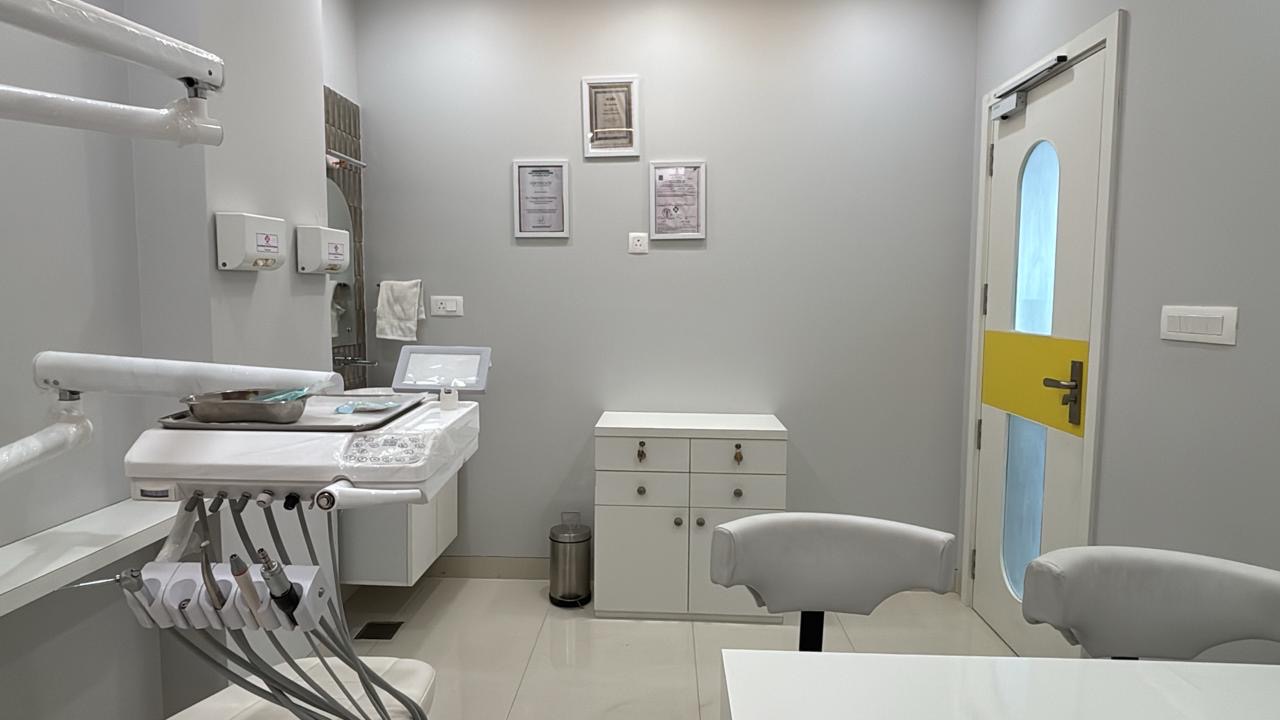
Why Sterilization Matters: Keeping Patients Safe | Dental Clinic Jaipur?
In medical environments, patient safety takes precedence, and one of the most important—yet often neglected—aspects of this safety is adequate sterilization. Hospitals, clinics, and surgical facilities use instruments every day that come into direct contact with the human body. Without proper sterilization practices, these instruments can become conduits for deadly bacteria, viruses, and other pathogens. The consequences can be severe, ranging from minor infections to life-threatening complications.
Sterilization is not merely a routine procedure; it is a critical measure that protects patients from avoidable harm, facilitates quicker recovery, and safeguards the trust placed in healthcare professionals. At advanced setups like Royal Dental Clinic & Hospital Jaipur, strict sterilization protocols form the backbone of safe and effective patient care. In this article, we discuss why sterilization is important and how it forms the core of a safe and efficient healthcare environment.
In any healthcare setting, patient safety is the highest priority. One of the most fundamental practices in achieving this is sterilization—the elimination of all microbial life on medical instruments and surfaces. Though not visible to the naked eye, proper sterilization plays a crucial role in preventing infections, controlling diseases, and maintaining a clean environment for both healthcare workers and patients. This is especially important in a dental clinic in Jaipur, where procedures involve direct exposure to oral tissues and fluids.
All medical procedures, from a simple dental cleaning to major surgery, carry a risk of infection if sterilization protocols are not strictly followed. Contaminated instruments can transmit bacteria, viruses, fungi, and even drug-resistant microorganisms, leading to severe complications, prolonged hospital stays, or, in extreme cases, death. This is why leading centers such as Royal Dental Clinic & Hospital Jaipur invest heavily in maintaining high sterilization standards.
Sterilization is not just a technique, it's a lifestyle.
Sterilization is not just a technical necessity—it is a life-saving process. By adhering to strict sterilization protocols, healthcare professionals demonstrate their commitment to public health, patient welfare, and ethical responsibility. This article explores why sterilization is so essential, discusses the various methods used, and highlights real-world consequences where sterilization failures have led to serious outcomes.

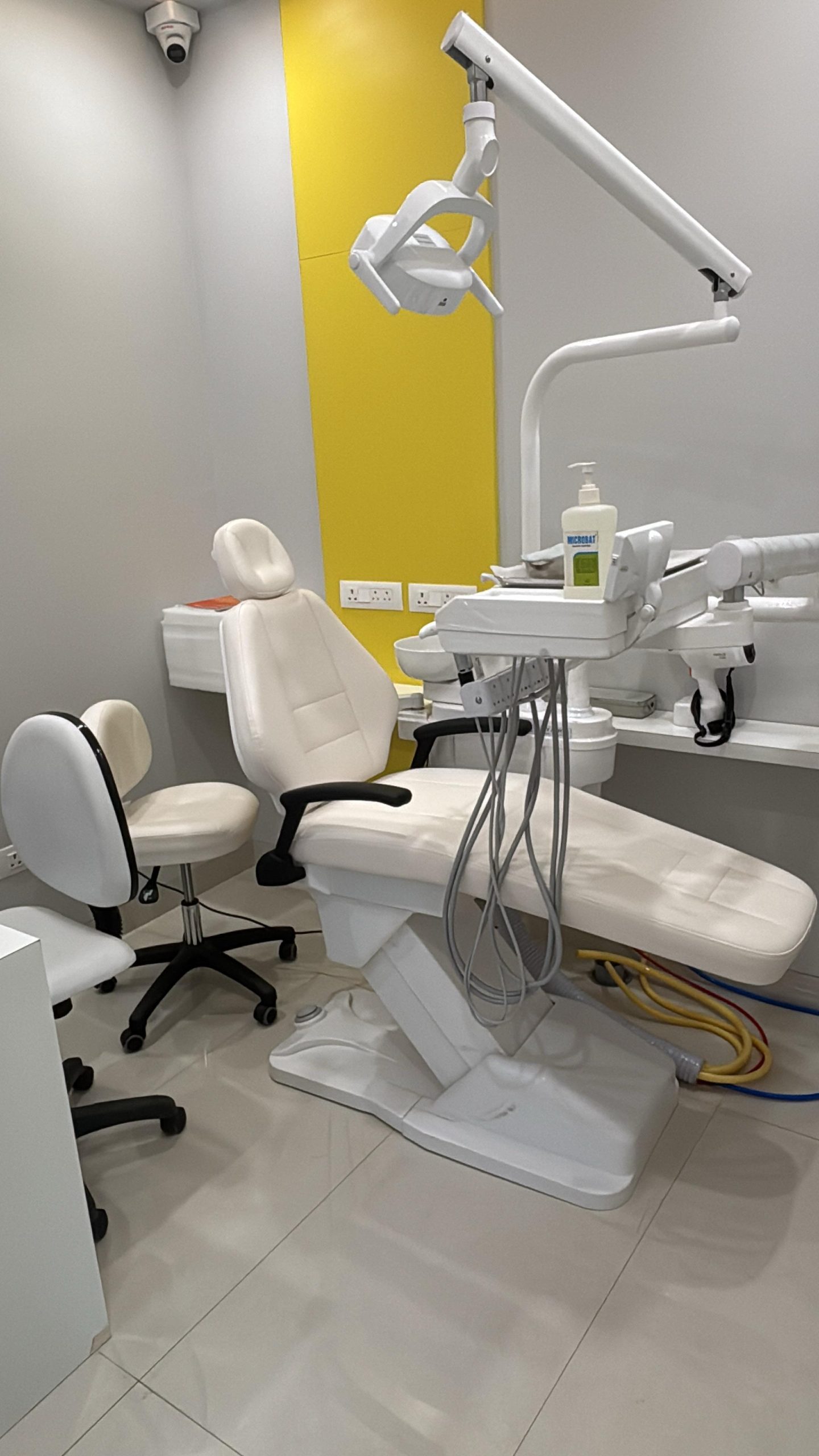
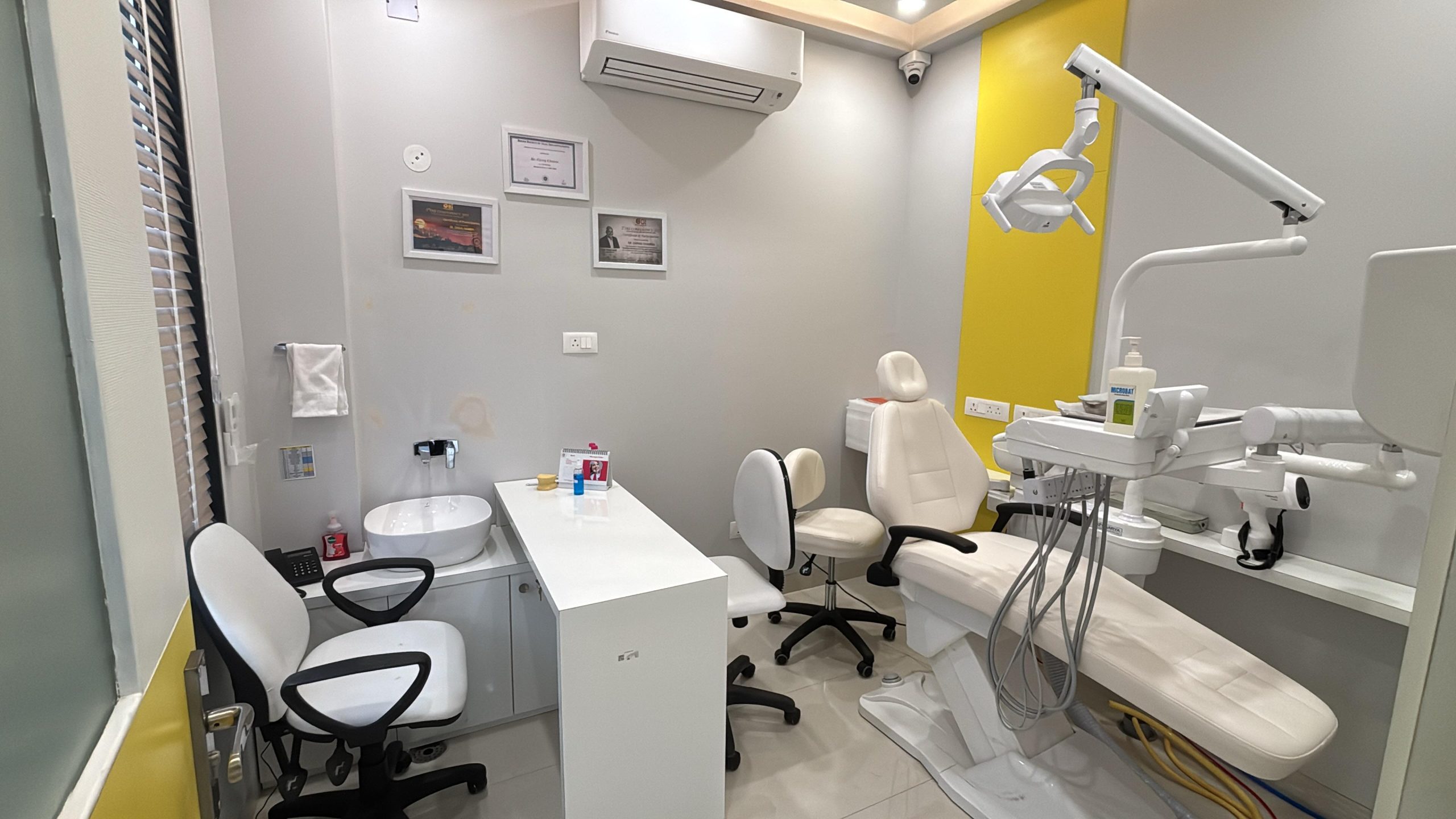
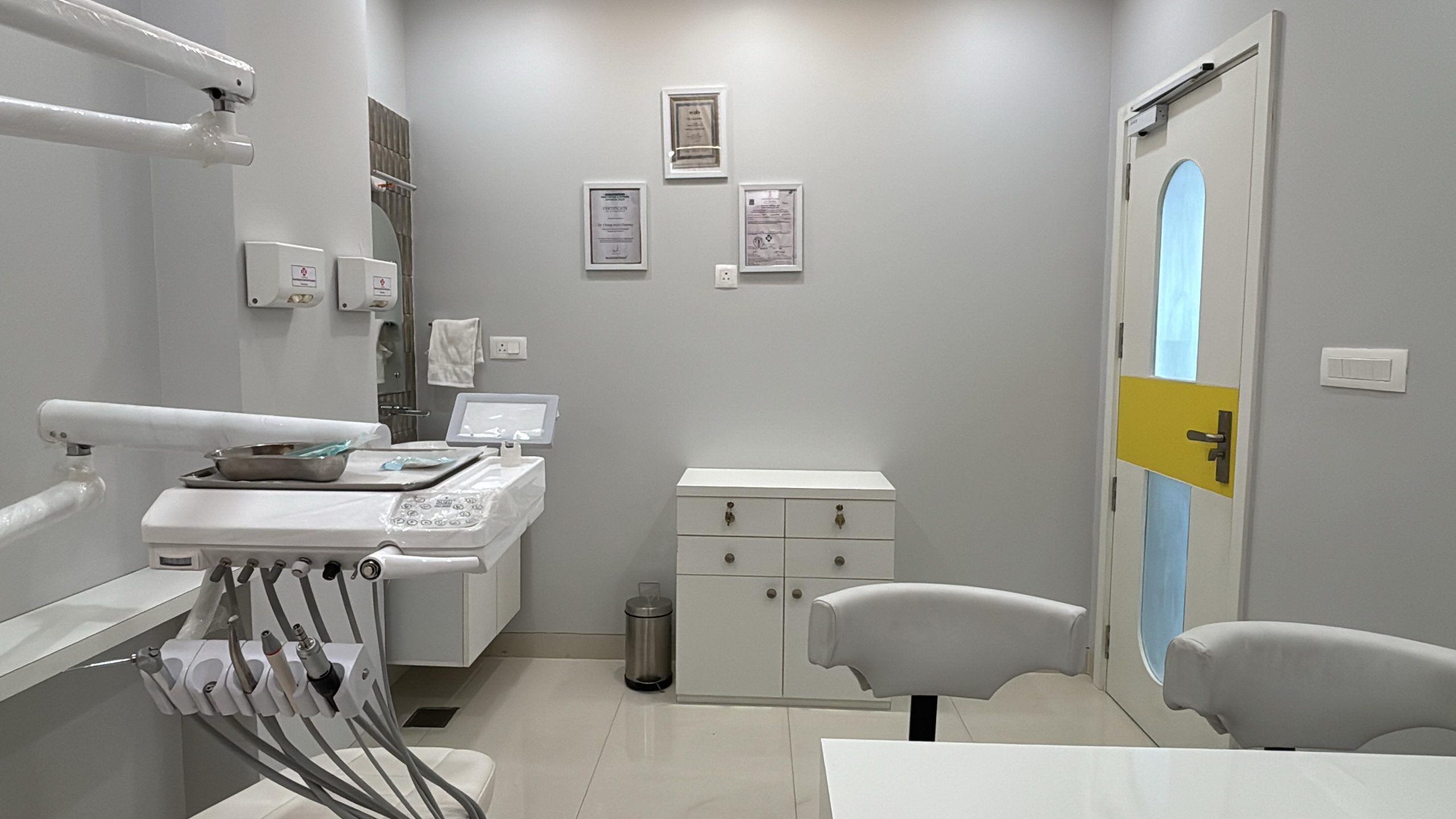
Importance of Sterilization
In modern medicine, advanced technologies, highly trained professionals, and innovative treatments have revolutionized patient care. However, one of the most powerful tools for protecting health remains one of the simplest: sterilization. Often working behind the scenes, effective sterilization techniques are the foundation of safe medical and dental procedures, ensuring that all instruments and surfaces are free from harmful microorganisms before coming into contact with patients.
The importance of sterilization cannot be overstated. Healthcare-associated infections (HAIs) affect millions of patients worldwide each year, leading to increased medical costs, longer hospital stays, and unnecessary suffering. Fortunately, many of these infections are preventable through proper sterilization practices. From operating theatres and hospitals to dental clinics in Jaipur, consistent and effective sterilization prevents the spread of harmful pathogens, including antibiotic-resistant bacteria.
Conclusion
Beyond infection control, sterilization is also about building trust. Patients place immense faith in healthcare providers, expecting not only effective treatment but also a safe environment. By maintaining stringent sterilization protocols, institutions like Royal Dental Clinic & Hospital Jaipur reinforce their commitment to patient safety, ethical standards, and high-quality care.
As we examine the critical importance of sterilization, it becomes clear that it is more than just a procedural requirement—it is a promise of safety. Understanding how sterilization works, how it is implemented, and the consequences of failure helps us appreciate its vital role in modern healthcare.